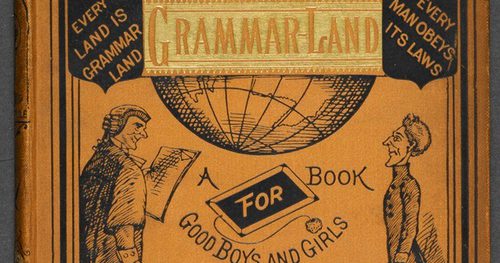
About English Grammar Day 2026
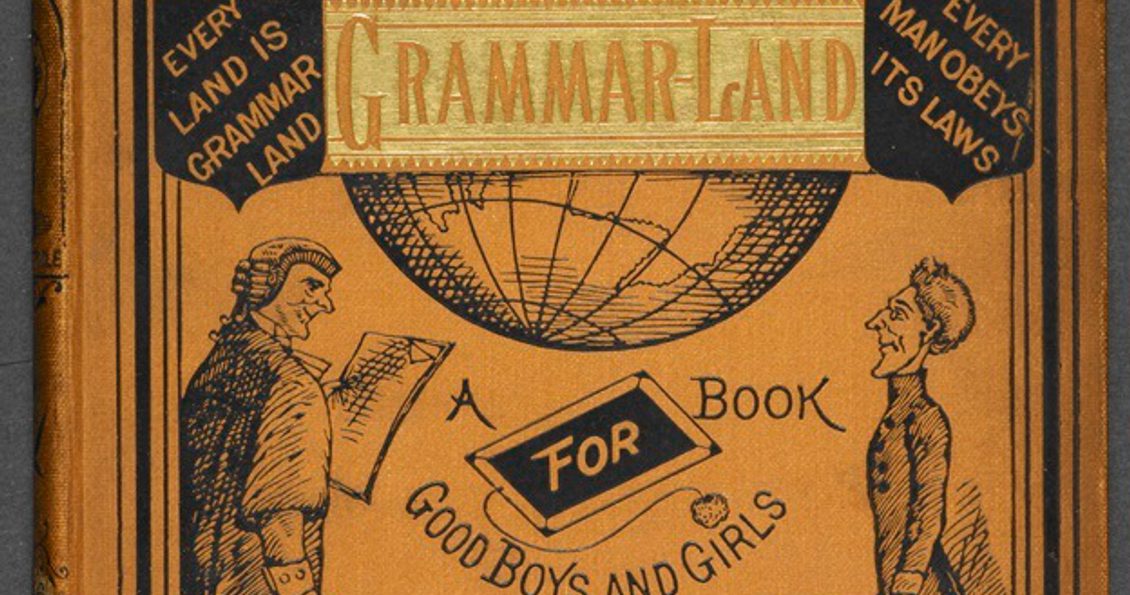
Are you sat down or sitting down while reading this? Have you got or do you have a preference for one form over the other? English has a number of ways of expressing the same concept, and with approximately 400 million mother-tongue speakers and an estimated 1.4 billion non-native speakers it has become a diverse, flexible language that continues to adapt, evolve – and provoke strong reactions.
Developments in the National Curriculum for England have placed grammar in schools at centre stage once more, and divided opinion among politicians, teachers, linguists and journalists, as well as the wider public, on how and whether it should be taught. How have teachers implemented changes to their teaching and learning programmes to adapt to the new syllabuses, assessment criteria and tests? What resources are available for students, teachers and the general public to learn more about English grammar, and how reliable are they? What is or should be the role of English grammar teaching in schools today and why is this so controversial? What do teachers, professionals, academics and the general public feel is the cultural and educational significance of knowledge about the language?
Join us for a day of talks and discussion, and feel free to ask our panel of experts to explore any aspect of English grammar from ain’t to innit.
Your support
The British Library is a charity. Your support helps us open up a world of knowledge and inspiration for everyone. Please consider adding a donation to your basket.
English Grammar Day 2026 Programme
09.15 – 09.45
Registration
09.50 – 10.00
Welcome & Introduction
10.00 – 10.30
Tom Freeman: What’s the point of being right?
10.30 – 11.00
Charlotte Brewer: Giving and taking offence
11.00 – 11.45
Coffee
11.45 – 12.15
Greg Tate: H. G. Wells and the Evolution of Grammar
12.15 – 12.45
John Williams: Exploring the ‘neighbourhood effect’ in English adverb formation: a historical case study
12.45 – 13.45
Lunch break
13.45 – 14.15
Caitlin Hogan: Do you speak K-Pop fan? Examining language use amongst fan communities online
14.15 – 14.45
Kirsty Bradshaw: 'But we don't have time to faff with the grammar!' Using grammar as a powerful ingredient in a concept-led curriculum.
14.45 – 15.30
Tea
15.30 – 16.45
‘Any Questions’-style panel discussion, chaired by Devyani Sharma (University of Oxford)
17.00
Close
#EnglishGrammarDay
Tom Freeman
Tom Freeman is an editor and writer who has worked at the Wellcome Trust and Research Fortnight.

Charlotte Brewer
Charlotte Brewer is an emerita fellow and professor of English language and literature at Hertford College, University of Oxford.
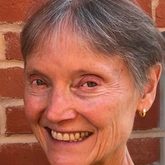
Gregory Tate
Gregory Tate teaches in the School of English at the University of St Andrews.
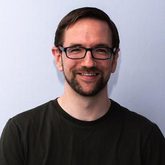
John Williams
John Williams teaches semantics, corpus linguistics, and lexicology at the University of Portsmouth.
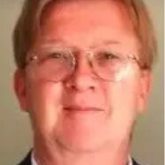
Caitlin Hogan
Caitlin Hogan is a PhD candidate in the Linguistics department at Queen Mary, University of London.
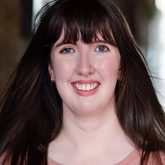
Kirsty Bradshaw
Kirsty Bradshaw is a Curriculum Leader for English currently working at Penketh High School in Warrington, Cheshire.

You might also like
The Empire Podcast: How Empires Fall
William Dalrymple and Anita Anand in conversation with Bee Rowlatt.
Public library events
From author talks and children’s story-times to digital workshops and community activities, find out more from your local library service.
Minority Writes: How Queer Books and Bookshops Changed the World
Layla McCay and AJ West join Damian Barr for a celebration of queer books and bookshops.